



Details
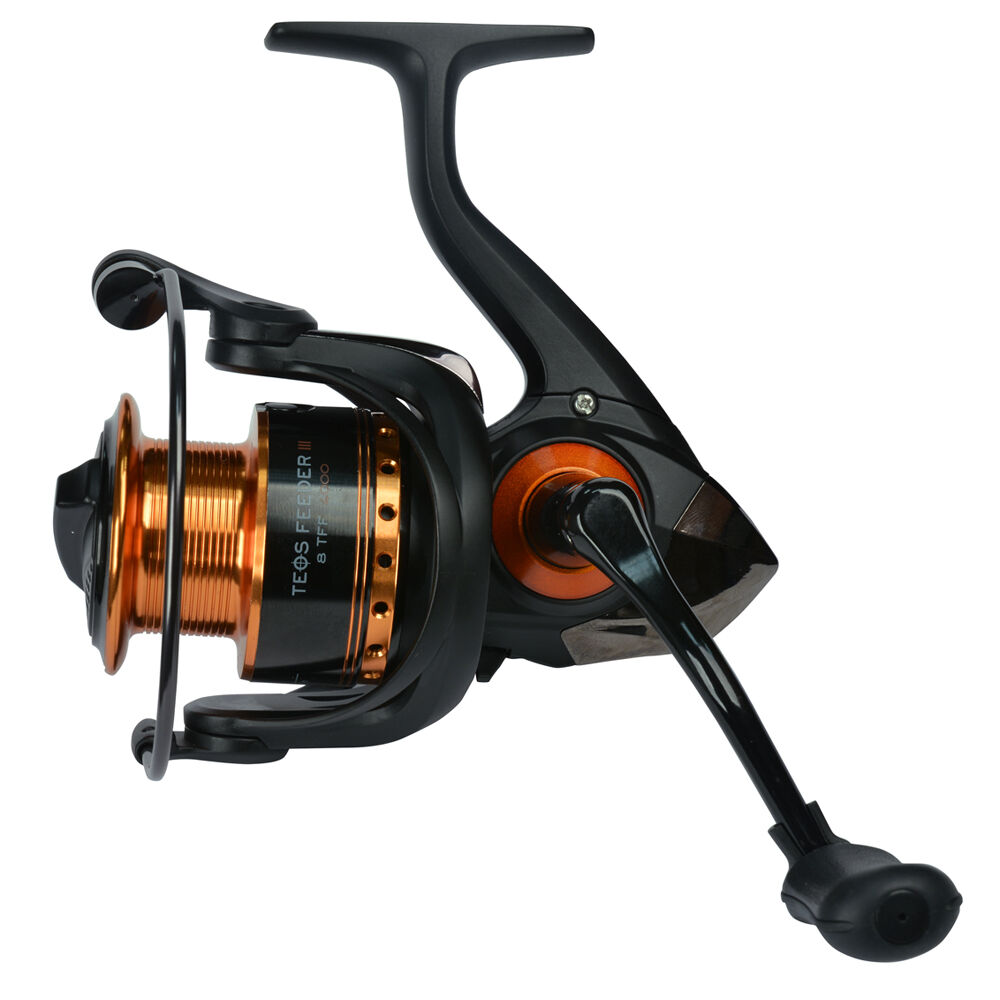
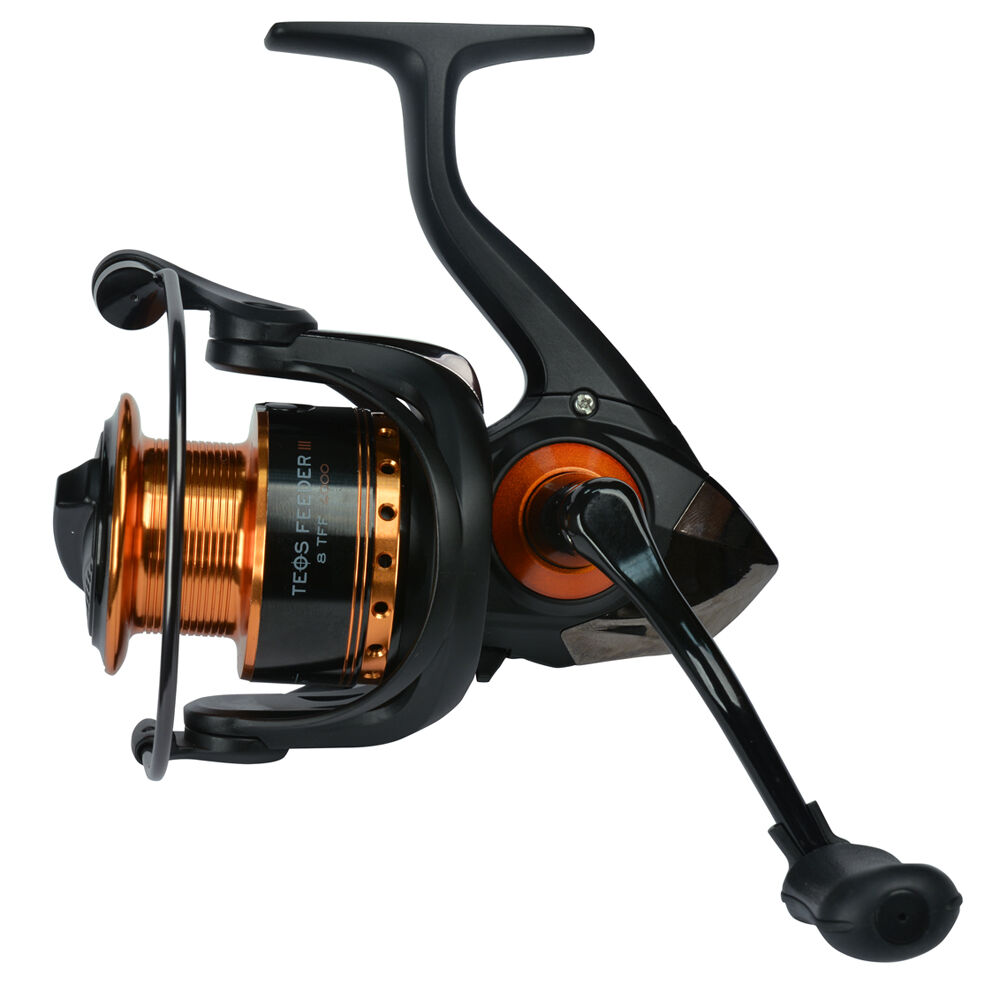
An evolution of the renowned TEOS FEEDER II 4000, this front-drag reel offers even greater technicality, smoothness, and performance. As its name suggests, the TEOS FEEDER III 4000 reel was designed and engineered for feeder fishing. Its high retrieve rate (90 cm per crank) is essential for quickly sinking your line and easily landing even the largest fish. This feeder reel is now equipped with a brand-new, ultra-precise, powerful, and progressive multi-disc drag system and a new ergonomic drag handle for optimal adjustment. It also gains in lightness thanks to its 100% aluminum frame and openwork rotor. In addition to its exceptional reliability, this feeder reel is very robust and can be used for all types of heavy-duty fishing, such as river fishing with heavy and bulky feeders, or even fishing for large carp in commercial fisheries! From the very latest range of TEAM FRANCE reels, it has, of course, been tested repeatedly and in extreme conditions by our feeder fishing specialists: needless to say, nothing fazes it, as it performed very well in all tests, including landing several fish weighing over 15 kilos! Its 7 ball bearings and its needle bearing ensure smooth operation during fishing. The
feeder reel
TEOS FEEDER III
also features a round metal line clip, mounted on a shock absorber, which allows you to easily mark your fishing distance without damaging the nylon or braid: a very important point for fishing accurately in the same spot. A highly technical front drag reel equipped with various technologies: Anti-vibration system, Infinite anti-reverse, Anti-twist line roller, and a hollow, shock-absorbing bail arm. A versatile reel for feeder fishing, it performs well everywhere and on all types of fish. It comes with a second forged aluminum "super long cast" spool with increased line capacity. Specifications: Size: 4000 Weight: 364 g Bearings: 7+1 Line Retrieve: 90 cm per turn Gear Ratio: 4.6:1 Line Capacity: 200 m of 0.25 mm / 150 m of 0.30 mm Aluminum body and rotor Powerful, precise multi-disc micrometric front drag and progressive
Comment